

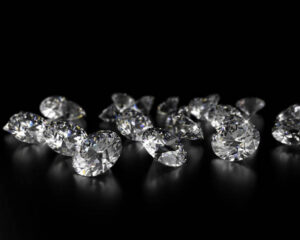
Not all diamond jewelry sells for the same price. Some pieces bring in top dollar, while others barely cover the cost of the metal. If you’re planning to sell diamond jewelry, knowing what actually drives value helps you set fair expectations before you walk in anywhere. Let’s break it down piece by piece, so you know exactly what pushes a price up or down.
The Four Cs Set the Foundation
Every diamond, no matter the setting, gets judged on four core traits. These are called the Four Cs, and they matter more than anything else.
- Cut – This measures how well the diamond is shaped to catch light. A great cut creates brilliant sparkle, even in a smaller stone.
- Color – Diamonds range from colorless to yellow-tinted. Colorless stones usually earn higher grades and stronger offers.
- Clarity – This refers to tiny flaws inside the stone, called inclusions. Fewer flaws mean a cleaner, more valuable diamond.
- Carat weight – This is simply how big the diamond is. Bigger stones cost more, but size alone doesn’t guarantee the best price.
A diamond that scores well across all four traits will always outsell one that’s just big but flawed. Quality wins over size almost every time. Anyone hoping to sell diamond jewelry for top dollar should start here, since these four traits shape every other factor that follows.
Engagement Rings Tend to Lead the Pack
Diamond engagement rings are some of the highest-value pieces people bring in. Most feature one clear center stone, which makes appraisal simple and offers tend to reflect that clarity. A ring with a larger, well-cut center stone in a platinum or gold setting usually earns more than a similar ring with a smaller or lower-grade diamond. Certification from GIA or AGS adds even more confidence to the number you’re offered.
Vintage engagement rings deserve a quick mention too. Rare cuts like Old European or Old Mine can carry extra value for collectors, though condition and stone quality still matter more than age alone.
Diamond Tennis Bracelets and Necklaces
Bracelets and necklaces lined with multiple diamonds carry value across the entire piece, not just one stone. Appraisers add up the total carat weight and check how consistent the stones are in size and quality. A well-matched tennis bracelet with clean stones and a sturdy setting often performs better than expected, since every diamond contributes to the total value. Missing or loose stones, on the other hand, can pull the offer down fast.
Diamond Earrings
Stud earrings are simple to appraise since they usually come as a matched pair. Larger, well-cut studs with strong clarity bring in solid offers, especially with certification to back them up. Drop earrings and hoops with diamond accents follow similar rules. The total carat weight across both earrings matters, along with the quality of the metal setting.
Branded and Designer Pieces
Jewelry from recognized names carries extra value beyond the raw materials. Buyers trust the craftsmanship and reputation tied to brands like Tiffany & Co., Cartier, and Van Cleef & Arpels. Here’s a quick look at how branding can shift value:
| Feature | Impact on Value |
| Recognized designer name | Often adds a premium above material value |
| Original box or receipt | Builds trust, can raise the offer |
| Signed or hallmarked piece | Confirms authenticity, supports pricing |
| No brand recognition | Value based mostly on stone and metal |
Even without paperwork, a hallmark or signature stamp can help confirm a piece is genuine, which supports a stronger offer.
Loose Diamonds With Certification
Loose, certified stones are some of the easiest items to appraise accurately. Without a setting to factor in, the buyer can focus entirely on the Four Cs. This often makes loose certified diamonds a strong option if you’re comparing where to sell. Even without a certificate, a loose diamond can still be evaluated by hand using standard grading tools. It just means the buyer relies more on their own inspection, which can sometimes lead to a bit more back and forth before you settle on a final number.
What Lowers a Diamond’s Resale Value?
A few issues consistently pull value down, regardless of the piece:
- Chips, cracks, or cloudy stones
- Missing or loose diamonds in a multi-stone piece
- No certification on a large or high-value stone
- Heavily worn or outdated settings
- Bent prongs or damaged clasps
Fixing minor issues before you sell can sometimes boost your offer enough to cover the repair cost, especially on higher-value pieces.
How to Get the Strongest Offer?
A little preparation goes a long way toward a better price.
- Gather any certificates, receipts, or past appraisals.
- Clean the piece gently with a soft cloth before your appointment.
- Check the setting for loose stones or damage.
- Research current diamond and gold market prices.
- Compare more than one offer before deciding.
If you’re searching to sell diamond jewelry near you, comparing a couple of local buyers usually gives you the clearest picture of fair market value. Prices can vary more than people expect, so a bit of extra legwork often pays off.
FAQs
Does a diamond’s shape affect its resale value?
Yes, somewhat. Round diamonds tend to hold value well due to steady demand, though a well-cut fancy shape can still earn a strong offer.
Do I need a certificate to sell my diamond jewelry?
No, but it helps. Certified diamonds usually earn stronger offers since the quality has already been verified by an independent lab.
Is older or vintage diamond jewelry worth more than modern pieces?
It depends on the piece. Rare vintage cuts and provenance can boost value, but condition and stone quality still matter most.
Can damaged jewelry still be sold for good value?
Yes. Many buyers pay based on the diamond and metal weight, so a broken clasp or bent setting won’t erase the piece’s core value.
How is diamond jewelry value calculated by a buyer?
Buyers weigh the Four Cs, the metal type, the piece’s condition, and any brand recognition to reach a fair appraisal number.
Ready to Find Out What Your Diamonds Are Worth?
We get how personal it feels to part with a diamond piece, even for the right price. That’s exactly why we believe a clear, honest appraisal should always come first. At Pawn Shop Queens, we walk you through exactly how we value your diamond jewelry, so there’s never any guesswork on your end. Stop by for a free, no-pressure appraisal and see what your pieces could bring you today.